

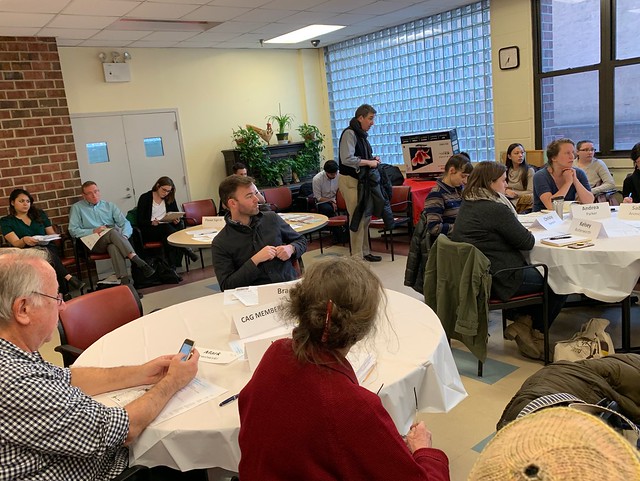
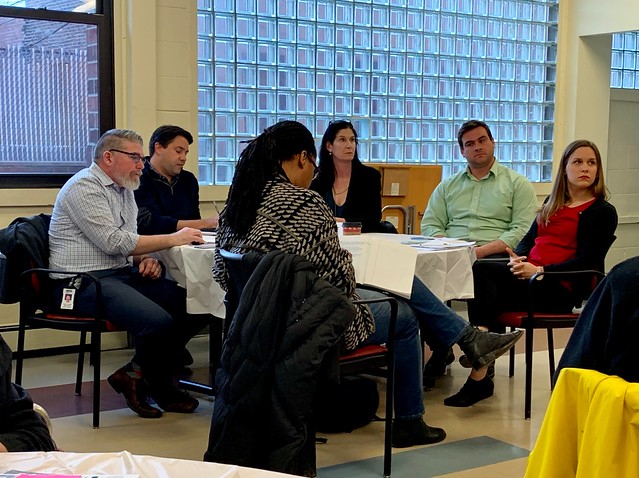
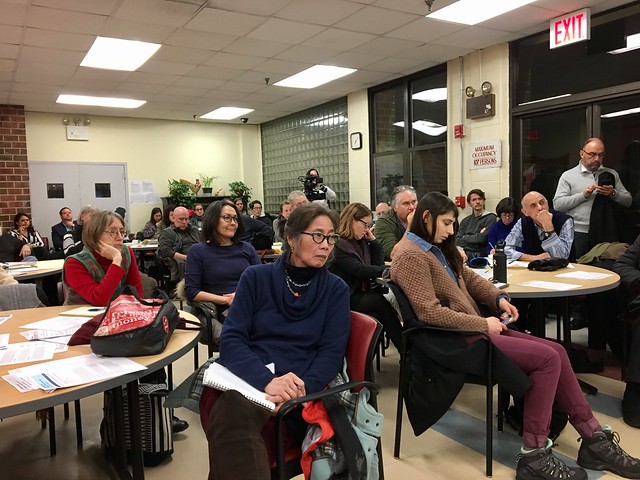
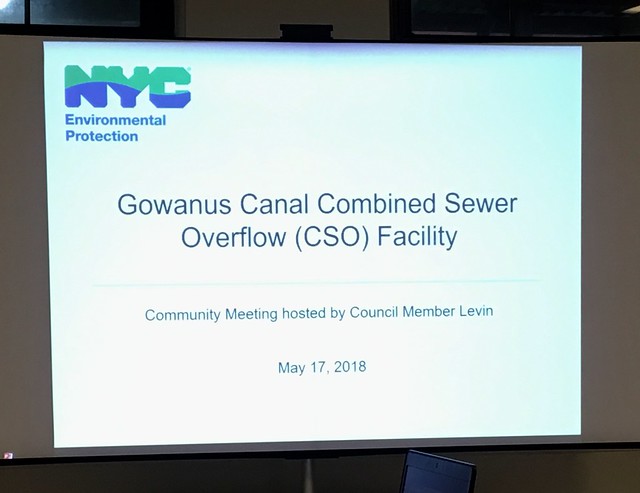
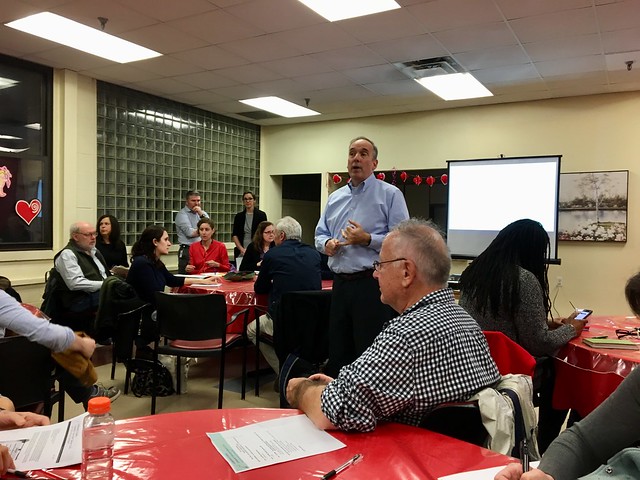
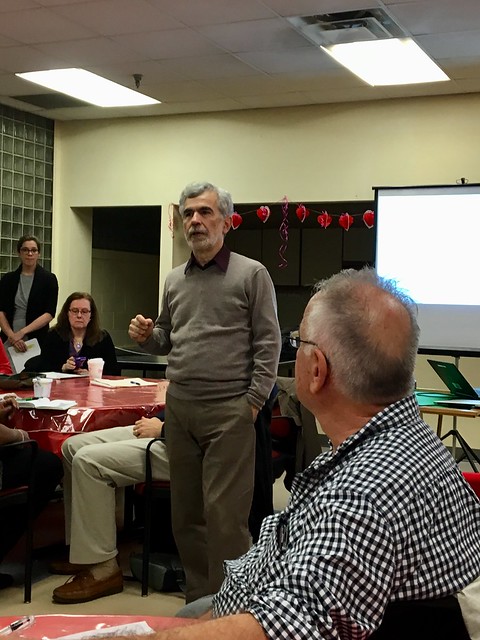
March 27 2019 meeting of the Gowanus Canal Community Advisory Group
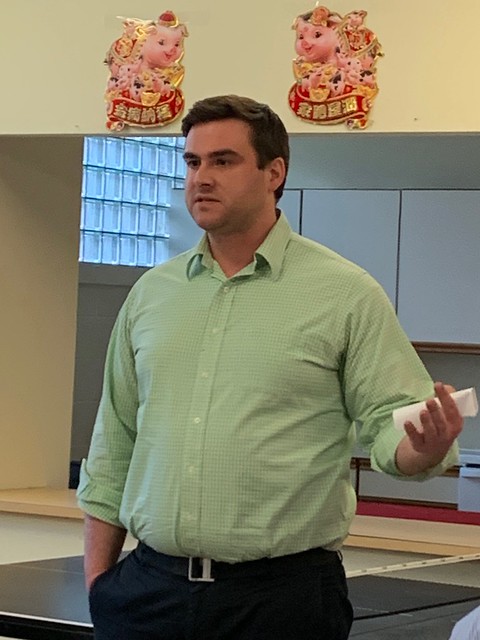
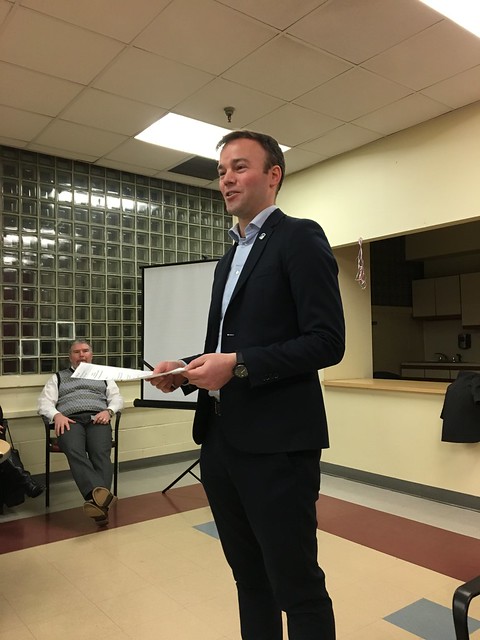
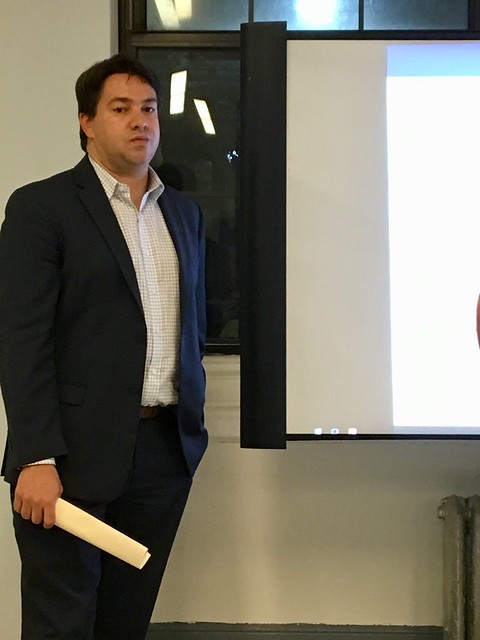
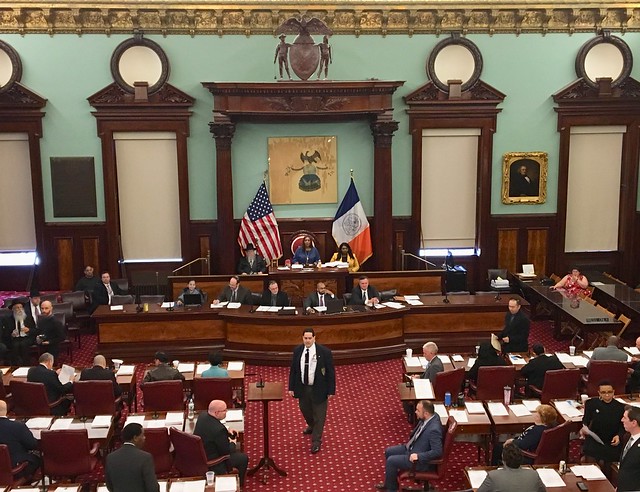
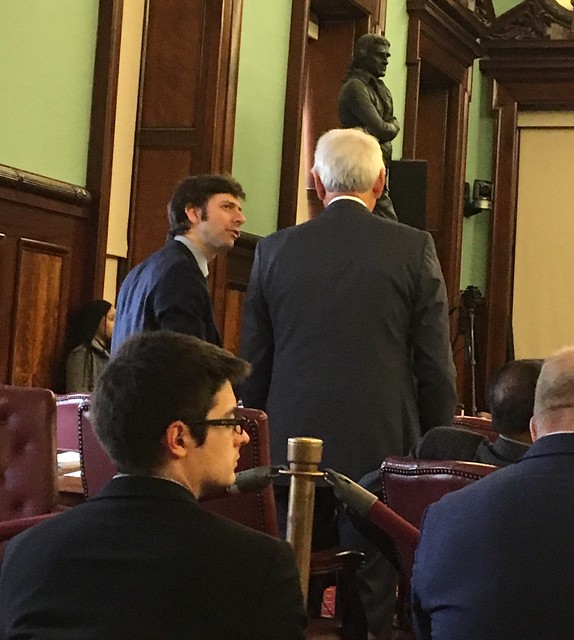
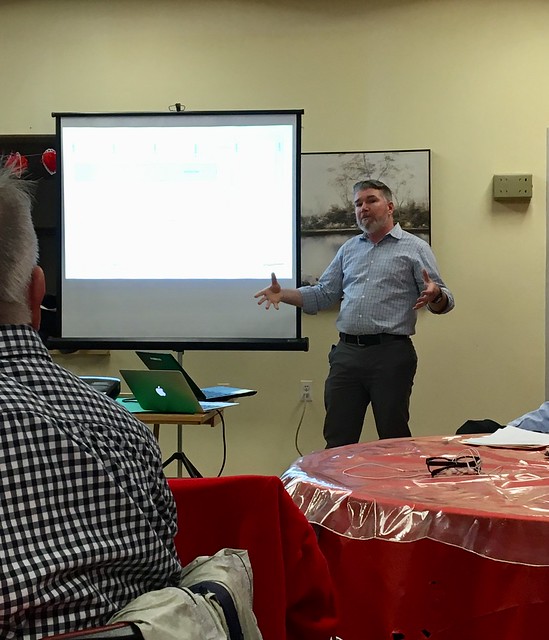
Jonathan Keller, NYC Department of City Planning
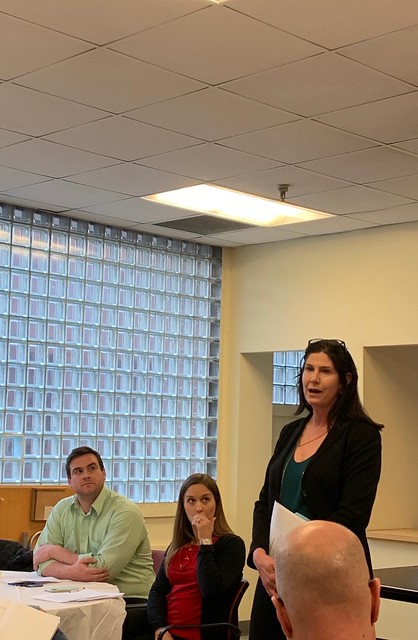
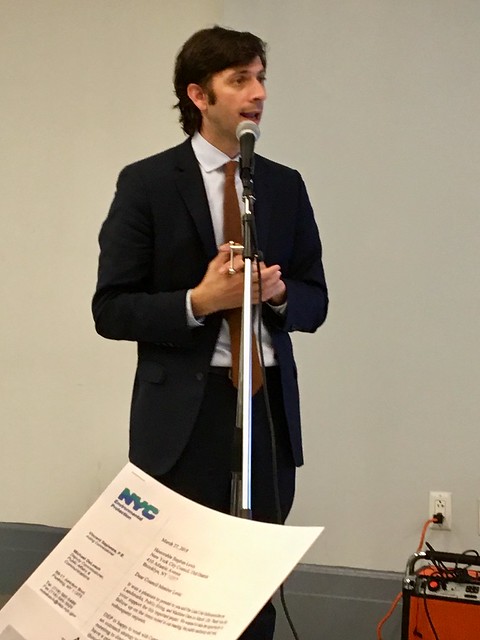
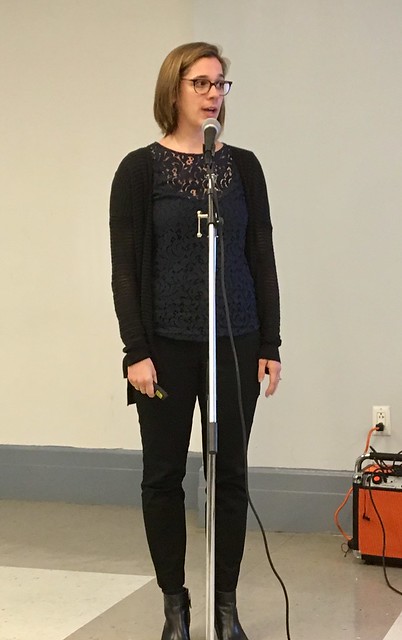
Angela Licata, NYC DEP Deputy Commissioner
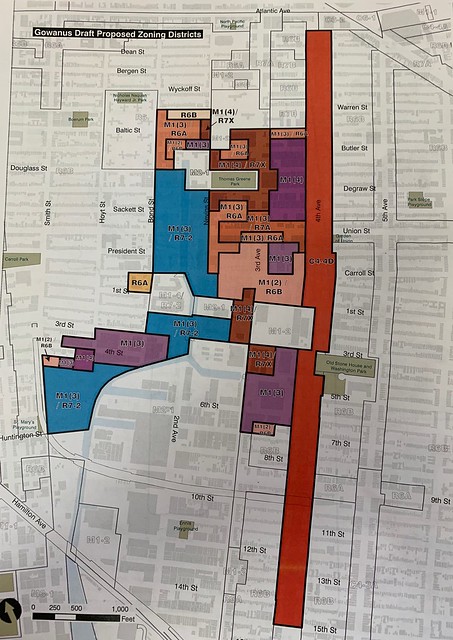
Proposed Gowanus upzoning
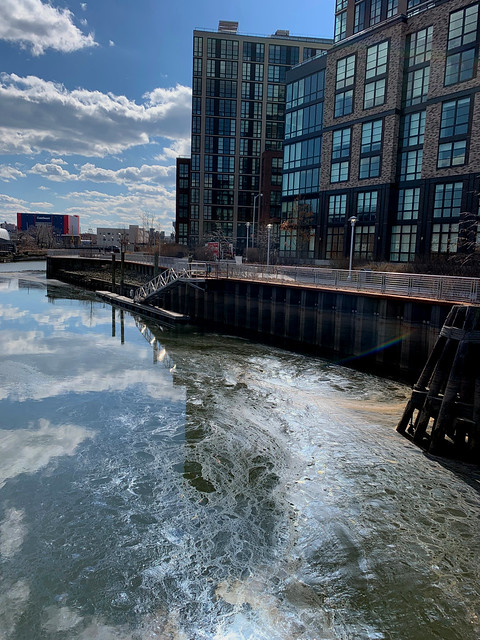
Raw Sewage and toxic discharges floating past 363 and 365 Bond Street in Gowanus
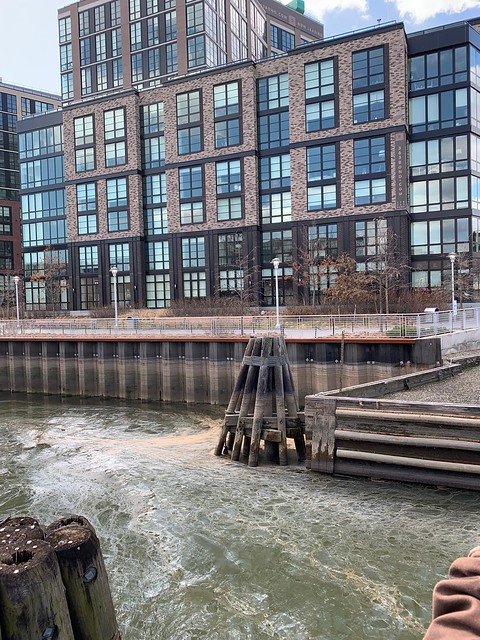
A plume of sewage floating past 363-365 Bond Street
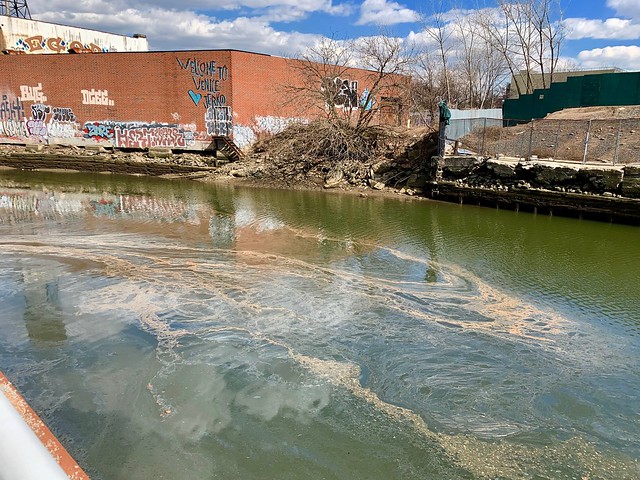
How can New York City envision an up-zoning that would bring thousands of new residents to the Gowanus Canal area when it has not yet addressed the fact that it still releases significant amounts of raw sewage into the waterway and will continue to do so for at least another ten years?
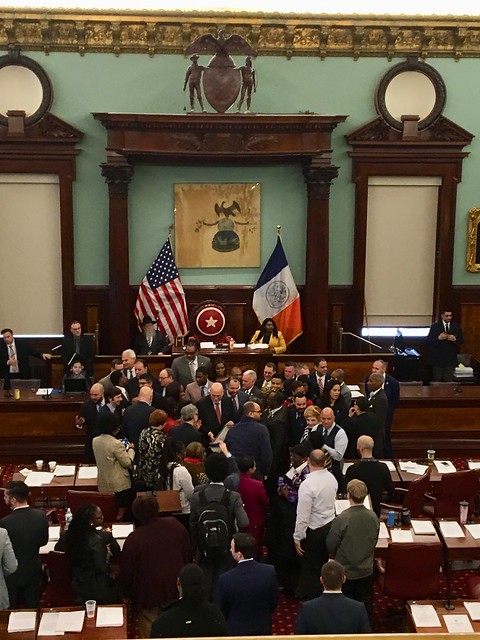
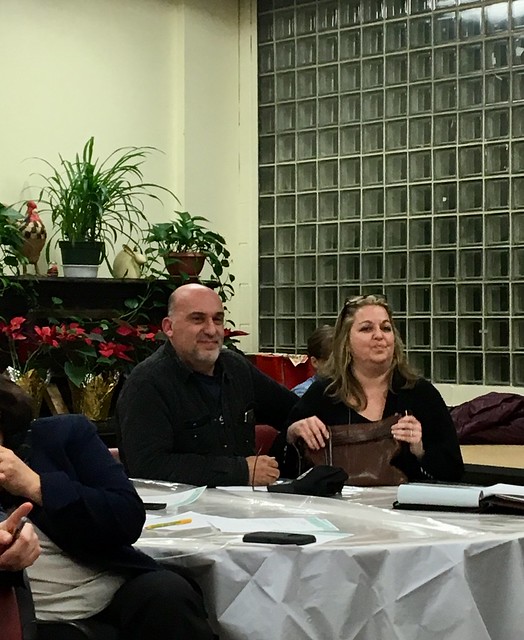
That is the question members of the Gowanus Canal Community Advisory Group asked representatives of both New York City Department of City Planning (DCP) and NYC's Department of Environmental Protection (DEP) at the group's general meeting last night.
Either Jonathan Keller of NYC DCP or Angela Licata of NYC DEP were unprepared to give specific answers, but it became clear throughout the conversation that the City plans to allow new buildings to go up first, and then deal with the additional sewage afterwards
And that is all backwards.
How did we get here?
The City and developers have been itching to up-zone the Gowanus neighborhood to allow more residential developments. The proposal calls for buildings that may reach 22 to 30 stories along the heavily polluted canal, which the EPA declared a Superfund in 2010.
The rezoning is slated to move through the Uniform Land Use Review Procedure (ULURP) by the end of 2019. Since ULURP takes about 9 months to 12 months to complete, developers could potentially begin building their residential towers by the end of next year.
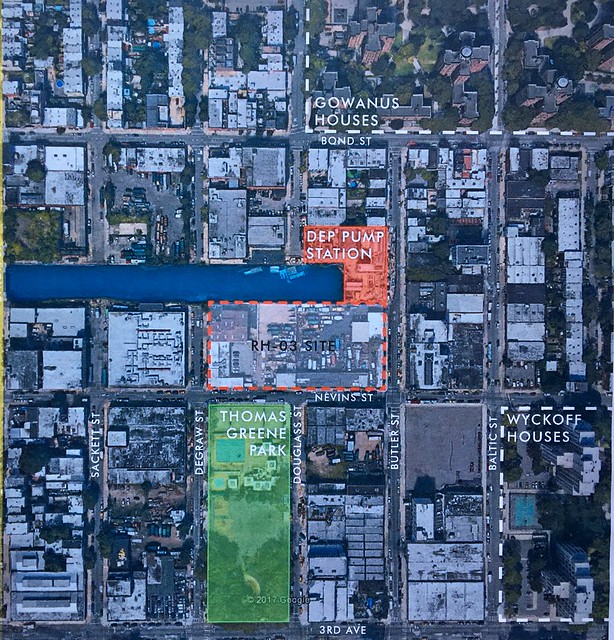
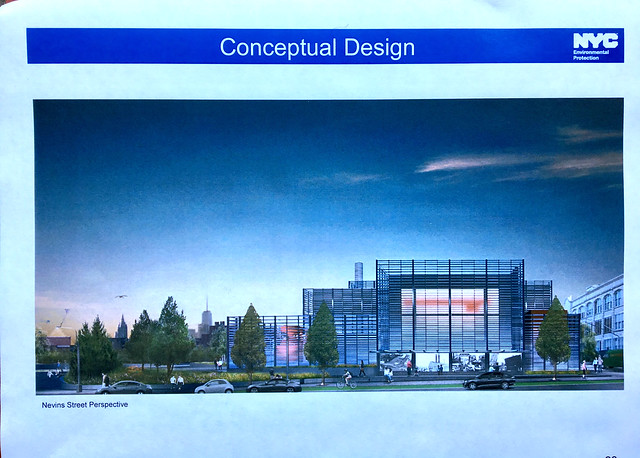
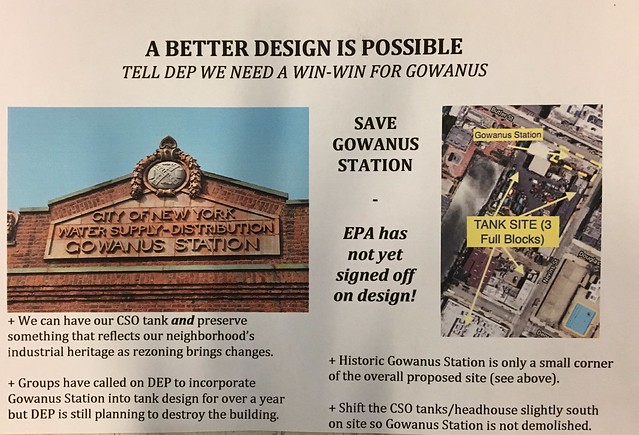
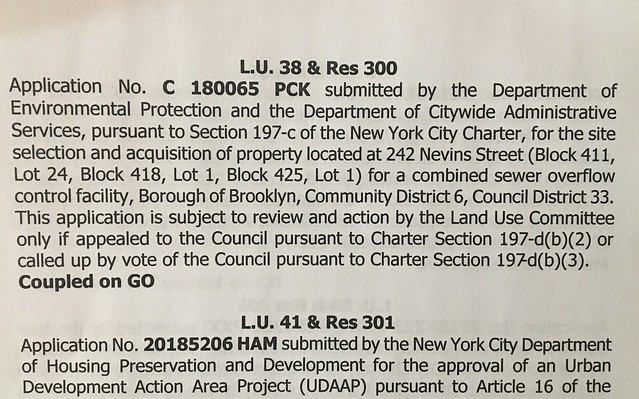
Everyone may also remember that EPA, as part of its Superfund clean-up, has mandated that NYC DEP must finally cease the practice of dumping raw sewage into the Gowanus Canal during heavy rain events. The Federal Government has ordered New York City to build two Combined Sewer Overflow tanks to remedy the situation and to protect its Superfund clean-up, once it is completed. The larger of the two tanks, is planned for the head of the Canal, next to the largest CSO outfall.
Instead of swiftly moving ahead with fulfilling its obligation in light of the City's rezoning efforts, DEP has managed to delay the completion date for the head of Canal tank, by first insisting on building it on land that needed to be taken by eminent domain instead of placing it under a City-owned park. Recently, the City has switched course entirely by proposing a tunnel under the canal, in place of the tank.
The community is looking at a scenario in which thousands more residents may be living next to an open sewer by 2020, while DEP is pushing the completion date for a CSO tunnel or tank to 2030 and probably beyond.
Though Angela Licata last night told the Gowanus community that DEP had already invested significantly to reduce Combined Sewer Overflows (sewage) into the canal, with projects like a sponge park, rain gardens, high level storm sewers, investments on the Gowanus Pumping Station and controls of "floatables."
However, Licata revealed that even with the construction of the two EPA mandated CSO tanks, the City is dealing strictly with current CSO conditions, and is not addressing any additional measures to offset new development.
In other words, the current CSO remedy will be outdated the moment the up-zoning goes through and new high-rises get built.
Members of the CAG urged both DEP and City Planning to plan ahead and to think outside of the box. One of the CAG suggestions was to write into the proposed rezoning that new buildings should be required to separate gray and black water to reduce the burden on our sewers.
Neither agencies seemed eager to push that idea forward.
In the absence of logical thinking by the City of New York, it is reassuring to know that the EPA, at least is planning for the future. The 2013 Gowanus Canal Superfund Record of Decision, the legal blueprint for the clean-up of the polluted canal, specifically requires that "the capacity of the retention tanks will need to accommodate the projected additional loads to the combined sewer system as a result of current and future residential development, including future rainfall increases that may result from climate change."
DEP and DCP better figure out what more housing, more residents, and more poop would mean to a neighborhood that has literally been dumped on for decades.
Otherwise, we as a community, have a right to tell the City that no rezoning should be allowed to go forward before adequately sized CSO tanks are completed.










.JPG)


